Dog Face Name Split Review for Real Embroidery Projects
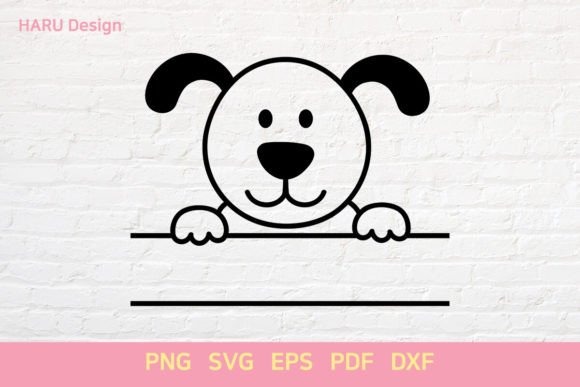
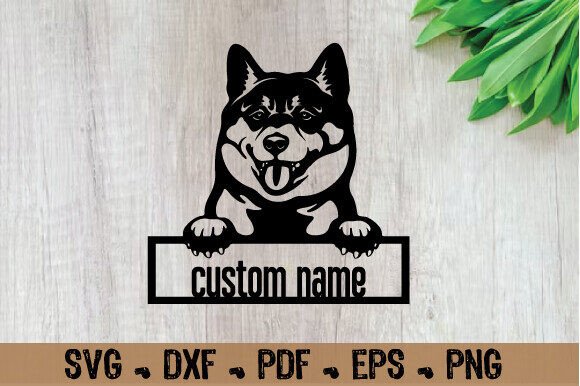
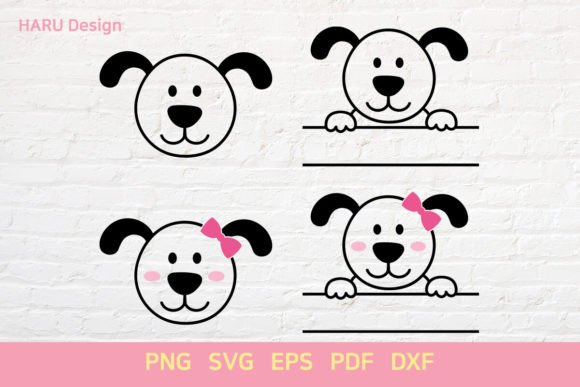
When I first opened the Dog Face Name Split embroidery file, I was struck by how clean and intentional the layout felt. This is not a dense or overly decorative design. It reads as a balanced composition where a friendly canine silhouette shares space with a name, split across two lines or positioned beside the face depending on how you orient the elements. The mood is warm, personalized, and approachable without feeling cartoonish. It belongs naturally on products meant for dog lovers who want something that feels custom but not cluttered. In the Crafts and Graphics space, this design sits comfortably as a versatile asset that can work for both personal gifts and small shop merchandise.
First Impressions and Visual Personality
The design creates an immediate sense of familiarity. The dog face is stylized enough to feel graphic and modern, but still recognizable as a friendly, eager expression. The name split gives you room to play with typography placement, which is a practical advantage when you are laying out a project for a customer who wants their dog's name featured prominently. The artboard size at 12 inches by 12 inches tells me this was built with real hoop sizes in mind, not just screen previews. That matters when you are transferring a digital file into an actual stitching plan. The overall shape is horizontal-friendly, which makes it a strong candidate for chest placement on a sweatshirt or centered on a tote bag. It does not feel cramped, and the negative space around the face gives the design room to breathe once it is stitched.
How It Performs on Real Products
I mocked this up on a canvas tote bag first, because that is a product where stitch clarity really shows. The Dog Face Name Split held its shape well. The satin stitch areas around the face edges stayed crisp, and the fill stitch in the body of the design did not pull or distort the fabric. On a midweight sweatshirt, the design sat nicely without excessive stiffness. The name split layout actually helped with flexibility because you are not trying to cram a long name into a single narrow line. That split approach reduces the risk of letter distortion, especially on curved surfaces like caps or the front of a baby bodysuit. For an embroidered patch, this design is strong because the outline shapes are clean enough to trim around without losing detail. I could see an Etsy seller offering this as a custom patch option and getting consistent results across multiple orders.
For baby embroidery, the scale can be reduced slightly and still read clearly. The dog face does not rely on tiny intricate details that would get lost at a smaller size. That gives you room to size it for a onesie or a small pillow cover without worrying about stitch density turning the fabric into a stiff mess. On holiday gifts, like a Christmas-themed apron or a Thanksgiving towel, the design works because the dog face is neutral enough to pair with seasonal thread colors. You could stitch it in cream and red for a winter feel or bright orange for fall, and the silhouette holds up regardless of palette.
Where to Use This Design Carefully
Not every surface is ideal for Dog Face Name Split. On stretchy knit fabrics like lightweight t-shirts, the name split section can shift if you do not use a proper cutaway stabilizer. The letters need a stable base to avoid puckering. I would also caution against tiny hoop sizes below 4 by 4 inches if you are keeping the full design with both the face and the name. At very small scales, the dog face can lose some of its friendly shape and the name can become hard to read. On dark fabrics, check your thread contrast carefully. A dark gray or black dog silhouette against a deep navy shirt will disappear. Light thread colors pop well, but the design works best when there is clear separation between the fabric and the stitch area.
For caps and curved surfaces, the split layout helps because you can place the face on the front panel and the name along the curve. But test the angle first. A mockup on a curved cap form will reveal if the name needs to arc slightly to follow the cap shape. On layered garments like jackets with thick linings, check how the stabilizer interacts with the inner layers. You do not want the back of the stitching to rub against a liner uncomfortably. For kitchen towels or tea towels, the design is fine as long as you reduce stitch density slightly so the towel does not buckle. Terry cloth and waffle weave fabrics need extra care with stabilizer choice.
Visual Appeal and Customer Impact
From a buyer perspective, this design reads as thoughtful and personal. Customers who order a custom embroidered item with their dog's name want it to feel like a keepsake, not a mass-produced decal. The Dog Face Name Split delivers that handmade presentation without looking amateurish. The split name creates a natural focal point, and the dog face adds emotional warmth. For a small business owner, this means higher perceived value. You can charge a premium for a tote or sweatshirt that feels individually stitched rather than heat-pressed. The design also works well for brand consistency. If you sell dog-themed merchandise, this file can become a signature look across your product line. Use it on patches, apparel, and home goods, and customers will start associating that clean dog face silhouette with your shop.
Giftability is strong here. A personalized dog face name split on a pillow cover or a set of kitchen towels makes a thoughtful present for a new dog owner, a holiday gift, or even a memorial piece. The design does not feel seasonal, which extends its shelf life in your product catalog. For printable mockups, the clean lines render well without pixelation, and you can show customers exactly how their dog's name will look in the split format before you stitch it. That transparency builds trust and reduces the chance of returns.
Practical Notes from the Embroidery Desk
Before you run this design on a client project, test it on scrap fabric first. I always do a black and white mockup to check contrast, and then a color test with the actual thread palette I plan to use. Check the stitch density on the fill areas. If the design feels too dense for your fabric, reduce the density in your software or switch to a lighter stabilizer. Confirm your hoop size before cutting any fabric. The 12-inch artboard gives you room, but if you are working with a smaller hoop, scale the design down and check that the name remains legible. The split name style is forgiving, but tiny lettering at 0.2 inches is not going to read well on a finished product.
Thread color choice matters more here than with some other designs because the dog face is a silhouette. A single color for the face works fine, but you can also add subtle thread changes for the eyes and nose if your machine handles color changes well. For the name, a contrasting color that matches one of the dog face accents keeps the design cohesive. I recommend buyers check the exact file formats they need before purchasing. The listing includes SVG, EPS, PNG, PDF, and DXF files, which covers most digitizing and layout needs, but always confirm that your machine or software reads the format you plan to use. Licensing is another check point. If you plan to sell finished products with this design, verify that commercial use is allowed. If you are a digital product seller, confirm whether you can include the design in a bundle or sell it as a standalone file.
For stabilizer, medium-weight tear-away works well on most woven and stable knit fabrics. On stretchy or lightweight materials, switch to a cutaway stabilizer to prevent the stitches from distorting over time. A light to medium density is ideal for most applications. If you are making an embroidered patch, use a heavy tear-away and a water-soluble topping to keep the stitches crisp on the surface. Test the design on a scrap piece of the actual fabric you plan to use, especially if it is textured or has a loose weave.
Real Project Fit and Final Thoughts
I put this design on a cream-colored canvas tote for a friend who just adopted a rescue dog. The face stitched in warm brown, and the name in a soft gold. The split layout meant the name sat just below the face, centered nicely across the bag front. The recipient loved it, and several people asked where the bag came from. That kind of reaction is exactly what you want when you are building a craft business around personalized embroidery. The design feels custom without being complex, and that balance is hard to find in digital embroidery files. Dog Face Name Split is versatile enough for the home embroiderer making gifts and the small shop owner producing inventory. It respects the limitations of real stitching while still looking polished. If you are an Etsy seller or handmade product maker looking to add a dog-themed option to your lineup, this design is worth testing. Stitch it once on a good fabric with the right stabilizer, and you will see why it works.