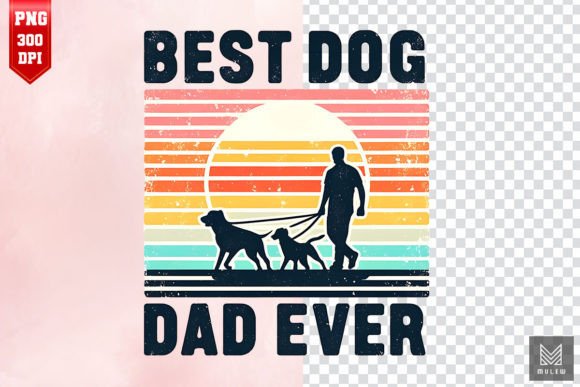
Retro Best Dog Dad Ever Sublimation PNG
When I first opened the Retro Best Dog Dad Ever Sublimation PNG, I immediately felt that warm, familiar pull toward a project I knew would resonate with customers. As someone who has spent years testing machine embroidery designs and building products for real small shop clients, I have learned to trust that initial gut check. This design has a distinct personality. It is not trying to be flashy or overly sentimental. Instead, it leans into a classic retro mood that feels both nostalgic and grounded. The layout is clean, the lettering has a confident rhythm, and the visual balance suggests it was created with a clear sense of purpose. That matters when you are planning an embroidery project or preparing a sublimation print for a handmade product. You want a design that reads well at a glance and holds up under closer inspection.
The theme is straightforward: celebrating a dog dad in a way that feels genuine rather than generic. Father's Day designs can easily tip into cliché, but this one carries a sincere, lighthearted tone that dog-loving customers tend to respond to. The retro styling adds a layer of charm that makes it feel less like a mass-produced graphic and more like a thoughtful piece of design. For anyone running a craft business or selling on Etsy, that distinction often translates into better engagement, stronger gift appeal, and a higher perceived value on the finished product.
This Retro Best Dog Dad Ever Sublimation PNG belongs to the Crafts category and is delivered as a Graphics file with a transparent background. That transparent background is a practical advantage. It makes the design easy to place onto mockups, blend into product previews, and integrate into layered sublimation projects without fighting leftover white edges. For an embroidery designer or a digital product seller, small workflow details like that save time and reduce frustration.
A Design That Feels Ready for Real Projects
The first thing I do with any design I am considering for embroidery or sublimation is to imagine it on actual products. I want to see how it behaves, how it fits into a layout, and how a customer might react when they receive it. With this PNG, my mind immediately went to a custom embroidered tote bag for a local Father's Day market. The retro lettering style pairs well with a sturdy canvas tote. It has enough presence to stand out on a bag without overwhelming the overall look. I could also see it on a comfortable sweatshirt, especially in a warm cream or heather gray, with the design placed center chest. That spot is a classic choice for a reason: it draws the eye naturally and works well for both gifting and personal use.
Beyond apparel, this design could work beautifully on a pillow cover, an apron, or a kitchen towel. Dog dads tend to appreciate practical, everyday items that still feel personal. A tea towel with this retro print, combined with a simple embroidered accent like a paw outline, would make a thoughtful and useful gift. The design's layout leaves room for you to add your own touches, which is a quality I value when I am creating handmade products for a small shop or a custom order.
How the Design Performs in Real Embroidery Work
When I evaluate a design for embroidery use, I think about how the shapes, lines, and negative space will translate into stitches. This Retro Best Dog Dad Ever Sublimation PNG has a clear, readable structure. The lettering is bold enough that it can be digitized with satin stitches or fill stitches without losing clarity. The retro details, like slight curve accents and balanced spacing, give the digitizer room to work with stitch density and thread colors without the design becoming cluttered or muddy.
For a machine embroidery design, I would recommend testing this on a medium-weight woven fabric first. Cotton twill, denim, or a stable fleece would all handle the stitch work well. If you plan to use an applique design approach, the clean edges of the lettering make it a good candidate for layering fabric pieces into the embroidery file. The shapes are not overly intricate, which means the applique cutting and tack-down steps will go smoothly. That is a genuine time saver when you are producing multiple pieces for a craft fair or filling a batch of custom apparel orders.
On a cap or a curved surface, you will want to pay attention to how the design sits. The retro lettering is not too tall or too wide, which helps it conform to a cap front without distorting. However, I always recommend a test stitch-out on a practice cap before moving to the final product. Small adjustments to placement and stabilizer choice can make the difference between a professional-looking finished product and one that feels slightly off.
Where to Use This Design Carefully
No design works well everywhere, and honest evaluation means pointing out the edges where caution is needed. On very small hoop sizes, such as a 4x4 hoop for a baby onesie or a small patch, the finer details in this retro lettering may become compressed. If you are working on a tiny embroidery project, consider scaling the design carefully or testing it in black and white mockups first to confirm readability. Stitch density in small spaces can cause fabric puckering or thread breakage, especially on stretchy fabrics like jersey knit or lightweight interlock.
Dark fabrics also deserve attention. This design uses a retro style that often looks best with high contrast thread colors. If you are stitching on a black or navy garment, choose a thread color that pops clearly, such as bright white, gold, or a vivid red. Test your thread color choices on scrap fabric before committing to the final piece. The same goes for textured fabrics, like fleece or thick sweatshirt material. Textured surfaces can soften the edges of lettering, so a denser stitch or a slightly larger size may be necessary to keep the design sharp.
For sublimation projects, the transparent PNG format makes layering straightforward. But keep in mind that sublimation works best on polyester or poly-coated blanks. If you combine sublimation with embroidery on the same product, plan the order of operations so the heat from pressing does not damage your embroidery threads. I have seen beautiful hybrid projects ruined because the print and stitch sequence was not thought through in advance.
Visual Appeal and Product Value in a Small Shop
In my experience running a craft business, the visual personality of a design directly affects how customers perceive the product. This design feels approachable and genuine. It does not try to impress with trendy fonts or overcomplicated graphics. That honesty is appealing to buyers who are looking for a personalized gift that feels intentional. When you list a finished product featuring this design on Etsy or at a craft fair, customers will likely recognize the retro warmth as something handmade and thoughtful, not mass-produced.
Giftability is a strong factor here. Father's Day gifts can be tricky because many dads say they do not need anything. A product that combines humor, affection, and a timeless style makes the gift feel easier to give. The phrase "Best Dog Dad Ever" is specific enough to feel personal, but broad enough to work for many different households. That balance helps with inventory planning if you are making items ahead of a holiday season.
From a branding perspective, this design can reinforce a consistent look across your product line. If you offer other retro-themed designs or pet-related items, this PNG aligns naturally with that aesthetic. Customers who buy one design from you are more likely to trust your style and return for more. That kind of brand consistency builds long-term value for a small shop or a boutique business.
Practical Designer Notes Before You Start
Before I commit any design to a production run, I run through a short checklist. I recommend the same to anyone planning to use this Retro Best Dog Dad Ever Sublimation PNG in their embroidery or sublimation work.
- Test the design on scrap fabric first. This is non-negotiable. You need to see how the design behaves with your machine, your thread, and your fabric before you stitch the final product.
- Check thread color contrast against your fabric choice. A design that looks strong on screen can disappear into a similar fabric tone. Use a contrasting thread color to make the lettering stand out.
- Review stitch density if you are digitizing the design for embroidery. High density can cause fabric distortion, especially on lightweight or stretchy materials. Adjust as needed based on your test results.
- Confirm hoop size before you start. Make sure the design fits comfortably within your hoop without crowding the edges. A tight fit can lead to registration issues during stitching.
- Test the design in black and white mockups. This helps you evaluate the readability of the lettering and the overall layout without the distraction of color choices.
- Compare light and dark fabric backgrounds. The retro style may read differently on a dark fabric versus a light one. Decide which version best suits your target product and customer preferences.
- Use proper stabilizer for the fabric type. A cutaway stabilizer is generally safe for most apparel projects, but test to confirm the design stays crisp through washing.
- Check licensing details before selling finished items or digital products. The product listing states it is a PNG file with a transparent background, but it does not specify commercial use terms. Confirm with the seller whether you are allowed to use this design in commercial embroidery projects or sell products made from it. Respecting licensing protects your business and your reputation.
- Inspect small details in the original PNG for any fine lines that might not survive digitizing. Adjust or simplify those areas before creating your embroidery file.
Thoughts on Using This Design for Different Product Types
I have tested designs similar to this one on a range of blanks, and I keep coming back to a few product ideas that feel like natural fits. A custom embroidered patch is always a strong option. This design has a contained shape that works well on a patch background. You could stitch it onto a twill patch with a merrowed edge, then sew or iron it onto a jacket, a bag, or a dog leash. Patches are popular in the craft community because they are quick to produce and easy to ship. They also give customers a way to personalize their own items without committing to a full custom garment.
For holiday embroidery, this design is a natural choice for Father's Day, but it could also work for a birthday or adoption anniversary gift. The retro feel does not tie it strictly to one occasion. That versatility is useful when you are building an inventory of designs that can sell year-round.
Sweatshirt embroidery remains a staple in many small shops. A crewneck sweatshirt with this design center chest, stitched in a bright thread on a neutral background, is a product I would confidently list. The retro style feels current because vintage-inspired designs have lasting appeal across age groups. I would also consider a tote bag design using the same placement. Tote bags are affordable, practical, and popular as impulse buys at markets. The low material cost combined with a well-executed design can give you a healthy margin.
Baby embroidery is a category where I would be more cautious. The design is not specifically sized for infant garments, and the retro lettering may feel too mature for a baby bodysuit. If you want to adapt it for baby products, consider scaling it down significantly and testing thoroughly on a small hoop. The same caution applies to any thin or delicate fabric. Lightweight onesies and sleepsuits can pucker easily if the stitch density is too high.
Printable mockups are another practical use for this PNG. Because it comes on a transparent background, you can drop it directly into a mockup template for product previews. That is a small but meaningful advantage for Etsy sellers who need to show customers how the finished product will look. Clean mockups build trust and help buyers visualize the item in their own lives.
Final Impressions from a Practical Standpoint
After spending time with this design, I see it as a solid asset for anyone working in embroidery, sublimation, or handmade crafts. It delivers a clear retro mood that feels authentic and easy to work with. The transparent PNG format fits well into digital workflows, and the layout offers enough flexibility to adapt to different product types without major reworking.
I appreciate designs that respect the creator's time. This one does not require complex interpretation or heavy editing to be project-ready. If you are a digital product seller, you can use it as a design asset in your own listings. If you are a craft business owner, you can turn it into a finished product that customers will recognize as thoughtful and well-made.
The key is to test everything before you commit to production. Stitch out the design, check your fabric and stabilizer combination, confirm your hoop size, and verify your licensing terms. Those steps are the difference between a product that feels professional and one that feels rushed. With careful preparation, this design can become a reliable piece of your product lineup, especially for Father's Day, personalized gifts, and anything that celebrates the bond between a person and their dog.
In the Crafts space and among Graphics assets, designs like this one stand out because they combine a clear emotional hook with practical usability. That is a rare balance. When you find a design that can hold its own on a tote bag, a sweatshirt, or a patch, it is worth testing thoroughly and adding to your rotation. I plan to run a few test stitch-outs this week, and I expect the results will justify a small production run for the upcoming holiday season. If you are on the fence, I would say give it a try on a sample project first. See how it feels in your hands and how your customers respond. That real-world feedback is the most valuable test of all.