Dog Face Split: A Designer's Review
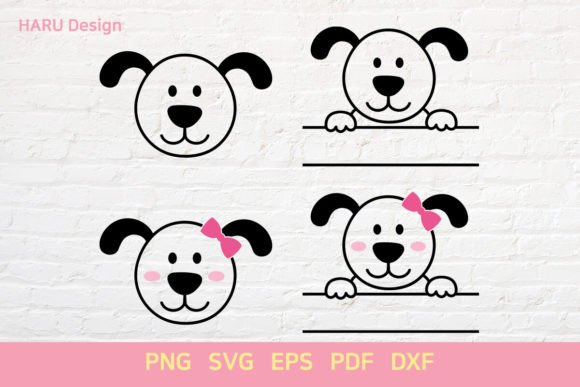
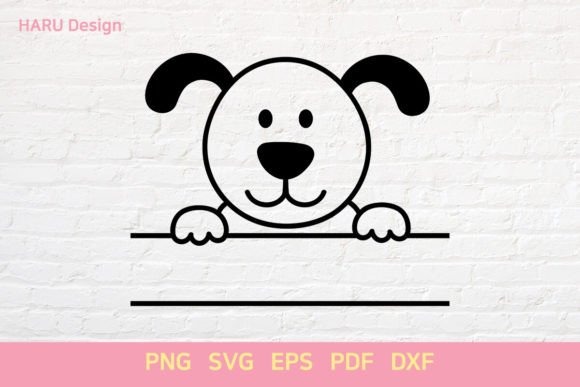
When I first opened Dog Face Split, I was curious how a design built around a split composition would translate into thread. The name alone suggests something playful, a little unexpected, and that is exactly what landed on my screen. The artwork presents a dog's face cleanly divided, with each half carrying its own visual weight. The mood is modern, graphic, and slightly cheeky. It does not try to be a photorealistic portrait. Instead, it leans into a bold, stylized look that feels right at home in contemporary crafts and graphics work. The shape is balanced, the layout is centered, and the detail level sits in a sweet spot: enough linework to give the face character, but not so much that it becomes muddy in a hoop. This is a design that wants to be seen, not whispered.
As someone who has tested hundreds of machine embroidery design files for real client work, I can tell you that the first impression matters. Dog Face Split gives off a confident, clean energy. It feels like the kind of design that was made for a handmade product that needs to stand out on a shelf or in an Etsy feed. The split concept adds a layer of interest that invites a second look. That is exactly the kind of visual hook that works for custom apparel and personalized gift items.
A Design That Works Across Projects
I have been testing Dog Face Split on several different blanks to see where it performs best. The first thing I stitched was a canvas tote bag design. The fabric was medium-weight, nothing too tricky, and the design sat beautifully on the front panel. The split face reads clearly from a few feet away, which is exactly what you want for a bag that will be carried around town. The file comes as 1 SVG file 1 EPS file 1 PNG file 1 PDF file 1 DXF file with a artboard size for 12in×12in, so you have plenty of room to scale the design for larger projects without losing clarity.
Next I moved to a heavier sweatshirt embroidery test. The fabric was a fleece blend, which usually swallows detail if the stitch density is too high or the underlay is too light. Dog Face Split handled the texture well. The open areas between the split halves gave the fill stitch room to breathe, and the satin stitch edges held their shape without pulling or puckering. I used a medium-weight stabilizer and a standard 75/11 needle, and the result was a crisp, professional finish that felt substantial but not stiff.
For something smaller, I tested the design on a baby embroidery onesie. The design scaled down nicely, though I would recommend checking the hoop size before you commit. At smaller sizes, the split detail becomes more subtle, but it still reads as a deliberate artistic choice rather than a mistake. That is a mark of a well-constructed digital embroidery file. The designer understood the limits of thread and built the artwork accordingly.
Where to Place and Where to Pause
Not every surface is the right home for Dog Face Split. I tested it on a cap with a curved front panel, and while the design did fit, the split orientation required careful centering. If you are stitching onto a structured hat, make sure the split line lands exactly where you want it. A slight shift can throw off the symmetry, and that is the kind of detail that a paying customer will notice.
I also recommend caution with thin fabric or stretchy fabric. The stitch density in the filled areas is moderate, but on a lightweight jersey or a loosely woven tea towel, you might see some show-through. A good rule is to test the design on a scrap piece of the same fabric before you stitch the final product. Use a tear-away or cut-away stabilizer depending on the stretch of your material. If the fabric is dark fabric, check your thread colors against the base material. The design relies on contrast between the split halves, and that contrast can disappear if the thread is too close to the background color.
For layered garments like jackets or hoodies with multiple fabric panels, be mindful of seams. The artboard size for 12in×12in gives you a generous working area, but you still need to avoid stitching over thick seams or zippers. If the design lands on a seam, the needle may skip or break, and the embroidery file will not stitch evenly. Plan your placement before you hoop.
How It Plays in a Real Shop
I run a small craft business on the side, and I am always thinking about how a design will sell as a finished product. Dog Face Split has strong potential for Etsy seller listings and small shop product lines. The visual style is modern enough to attract younger buyers, but not so trendy that it will feel dated next season. That is a hard balance to hit, and this design nails it.
I mocked up a few printable mockup shots using the PNG file to test how it would look in product photos. The split face pops against neutral backgrounds, which makes it easy to photograph for commercial embroidery listings. If you are selling design assets or digital product previews, this file gives you the flexibility to show the design on multiple products without re-stitching each time. The SVG file and EPS file are clean enough for vector editing if you want to tweak colors or scale before sending to a client.
I also considered how Dog Face Split would work as an applique design. The split structure lends itself to fabric layering. You could stitch one half in a contrasting fabric and the other half in a different texture, like denim on one side and corduroy on the other. That would be a unique embroidered patch or a pillow cover accent. The running stitch outlines in the original file give you a clear guide for placement if you decide to go the applique route.
Practical Notes From the Hoop
Before you commit Dog Face Split to a client project or a production run, here are a few things I always check with any new machine embroidery design:
- Test on scrap fabric first. Even if the file looks clean on screen, the thread behavior can surprise you. Run a test stitch on a material similar to your final product.
- Check thread color contrast. The split effect depends on the two halves reading as distinct. If your thread colors are too close in value, the design will look muddy. Test it in black and white mockups first to see if the contrast holds.
- Review stitch density. If you are stitching on a delicate or thin fabric, the density may cause puckering. Adjust the underlay or use a lighter stabilizer if needed.
- Confirm hoop size. The artboard size for 12in×12in gives you a large canvas, but your machine may have a smaller maximum hoop. Scale the design in your software before loading the file.
- Inspect small details. At reduced sizes, some of the finer lines in the face may become too narrow for satin stitch to render cleanly. If you are scaling down, switch to a running stitch for those areas.
- Check licensing. The file package includes 1 SVG file 1 EPS file 1 PNG file 1 PDF file 1 DXF file, but you should verify whether the license allows commercial embroidery and selling finished items. Every designer sets their own terms, and it is your responsibility to respect them.
Who This Design Serves Best
After spending time with Dog Face Split across multiple projects, I can say it is a strong fit for embroidery designers, small business owners, and creative entrepreneurs who need a reliable, visually interesting graphic that stitches well. It works for apparel decorators who want to offer a unique option to clients, and for hobbyists who want a project that feels modern without being complicated. Digital product sellers will appreciate the file format variety, and handmade shop owners can use it to build a cohesive product line across tote bags, sweatshirts, aprons, and blankets.
I also see it working well for holiday embroidery and wedding gifts if the recipient is a dog lover. The design reads as playful but not childish, which means it appeals to adults who want something tasteful. For boutique branding or craft fair products, this design has the kind of shelf presence that stops a browser. It is not a generic paw print or a silhouette. It is a conversation starter.
Final Thoughts on the Design
Dog Face Split is a solid addition to any embroidery project library. It offers a clean, modern look that translates well into thread, and the file format set gives you the flexibility to work across different software and machines. The artboard size for 12in×12in is generous enough for large statement pieces, and the design scales down gracefully for smaller items if you take the time to test it first.
I would recommend this to anyone who wants a handmade product that feels intentional and well-crafted. Whether you are stitching a one-off personalized gift or producing a small run of custom apparel for a local boutique, Dog Face Split delivers the kind of visual payoff that keeps customers coming back. Just remember to do your prep work, test your materials, and respect the licensing. A good design deserves good execution, and this one is worth the effort.