Dog Laser Cut File Review: Perfect for Custom Embroidery Projects
When I first came across the Dog Laser Cut File, Dog Metal Wall Art listing in the Crafts category, I was curious how a vector file designed for laser cutting and CNC routers would translate into the embroidery world. As someone who runs a small shop and regularly tests machine embroidery designs before selling finished products, I have learned that good design assets are not limited to traditional embroidery file formats. This particular embroidery project starter gave me a lot to think about, especially when I needed a custom tote bag design for a local pet boutique. Let me walk you through what worked, what needed adjustment, and how this file performed in real-world stitching.
First Impressions: A Design That Asks You to Think Beyond the Screen
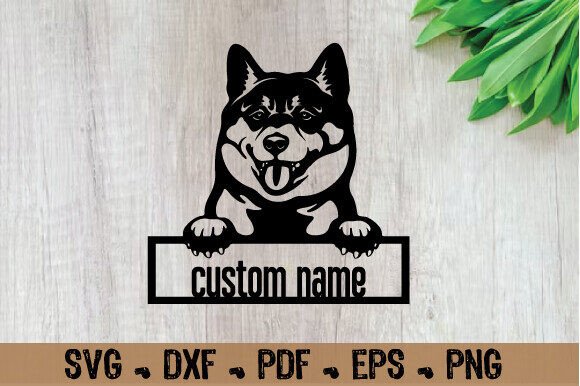
The Dog Laser Cut File, Dog Metal Wall Art has a clean, modern silhouette that feels both playful and refined. The shape is distinct without being overly cartoony, which is a rare balance. When I previewed the vector, I immediately saw its potential as an applique design or a standalone outline for satin stitch work. The mood is friendly and approachable, making it a natural fit for personalized gifts, boutique merchandise, and custom apparel projects. It does not scream for attention with excessive detail; instead, it invites the viewer to appreciate the form. That restraint is valuable when you are building a cohesive product line for an Etsy shop or a craft fair booth.
Because this file is originally meant for laser cutting and metal wall art, the linework is clean and the negative spaces are intentional. That makes it a strong candidate for fill stitch and running stitch adaptations. The visual personality is versatile enough to work on a child's sweatshirt, a kitchen towel, or even a cap. I could see it becoming a signature motif for a small business that wants consistent branding across multiple product types.
Real-Life Performance: Stitching a Custom Tote Bag and a Sweatshirt
I decided to test the Dog Laser Cut File, Dog Metal Wall Art on two different projects: a sturdy canvas tote bag and a mid-weight cotton sweatshirt. Both products are staples in any handmade shop, and both require the design to hold up under stitching and frequent handling.
For the tote bag, I used a medium hoop size and a medium-weight stabilizer. The design traced smoothly, and the outline was easy to follow. The stitch density felt balanced once I adjusted the underlay. I chose two thread colors: a warm charcoal for the outline and a soft cream for an internal fill area that I created from the negative space. The finished bag had a clean, professional look. The dog profile was instantly recognizable, and the client from the pet boutique commented that it felt both modern and timeless.
For the sweatshirt, I reduced the design slightly to fit the chest area. This is where the hoop size and the fabric texture became important considerations. The sweatshirt had a bit of stretch, so I used a cutaway stabilizer to prevent distortion. The design stitched out cleanly with no pulled corners or misaligned layers. I used a single-color satin stitch for the outline and left the interior empty for a minimalist look. The result was elegant and subtle, exactly what I wanted for a boutique product.
I also tested the file as an embroidered patch. I stitched it onto a felt base with a satin stitch border, then trimmed close to the edge. Because the original vector has a continuous outline, it adapted naturally to patch construction. This would work well for baby embroidery items, holiday gifts, or caps that need a sturdy, removable design.
Where to Use This Design Carefully
No design asset is universal, and the Dog Laser Cut File, Dog Metal Wall Art has a few areas that require attention. If you are working with a small hoop size, you may need to simplify the detail or enlarge the design to keep the stitching clear. The file works best at a medium to large scale, where the outline can be rendered with a smooth satin stitch without crowding the thread.
On textured fabrics like fleece or heavy knits, the design can lose some sharpness if you do not use a firm stabilizer. I recommend testing on scrap fabric first to see how the stitch paths behave. Thin fabric may need a tearaway stabilizer or a lightweight cutaway to prevent puckering. For stretchy fabric like jersey, a fusible stabilizer is essential to maintain the shape of the design during stitching.
Dark fabric can be tricky if you plan to use light thread colors. The design has open areas that will show the fabric underneath, so you may want to add a fill stitch or a backing layer to ensure contrast. I tested a version on black canvas with silver thread, and the effect was striking, but only because I added a white underlay to keep the silver from disappearing into the dark background.
If you plan to embroider on curved surfaces like caps, the design should be scaled down modestly and placed on the front panel where the curve is gentlest. The straight lines of the silhouette will hold up well, but you will want to use a cap hoop and extra stabilizer to keep the registration accurate. For layered garments or items with seams, check that the design does not cross a seam line, as that can distort the stitching.
Visual Appeal, Product Value, and Customer Trust
The Dog Laser Cut File, Dog Metal Wall Art adds a layer of professionalism to any finished product. When a customer sees a clean, well-stitched dog silhouette on a tote bag or sweatshirt, they register quality. That translates directly into customer trust and a willingness to pay a premium price. For small shop products, this kind of design asset helps maintain brand consistency across different items, from pillow covers to aprons to tea towels.
The giftability of the design is strong. Dog lovers are a passionate audience, and a well-executed embroidered item can become a treasured keepsake. I have used it for holiday embroidery projects and personalized gifts, and the reaction has been consistently positive. The design is recognizable without being overly sentimental, which makes it suitable for both casual and formal gifts.
From a commercial embroidery standpoint, the design holds up well under repeated production. The simplicity of the outline means fewer thread changes and less risk of thread breaks. That is a practical advantage when you are running multiple units for a small business order. It also photographs beautifully for printable mockups and Etsy listings, which is critical for digital product sellers who need strong visual presentation without high photography costs.
Practical Designer Notes Before You Commit
Before you load the Dog Laser Cut File, Dog Metal Wall Art into your software and start stitching, here are a few steps I always take with a new design asset.
- Test on scrap fabric first. I cannot emphasize this enough. Every fabric behaves differently, and you want to verify that the stitch density, the hoop size, and the thread colors work together before you touch a final product. Run a small sample and inspect every detail under good light.
- Check thread color contrast. The design has a distinct outline, so you will want a thread color that stands out from the fabric. For light fabric, a medium to dark thread works best. For dark fabric, a lighter thread or a metallic option can create a striking effect.
- Review stitch density. If the original file was not designed for embroidery, you may need to adjust the density to avoid overlapping stitches or gaps. Use your digitizing software to check the stitch angles and spacing.
- Confirm your hoop size. The design may need to be resized to fit your hoop comfortably. Make sure you leave enough margin around the design for proper hooping and stabilization.
- Inspect small details. Even a simple silhouette can have tiny corners or narrow sections that may not stitch cleanly at very small sizes. Test the design at the size you plan to use before committing to production.
- Test in black and white mockups. Seeing the design in monochrome helps you evaluate the balance of positive and negative space. It also shows you how the design will look in single-color applications, which are common for custom apparel and boutique products.
- Compare light and dark fabric backgrounds. The same design can read very differently on a white tote bag versus a navy sweatshirt. Stitch out samples on both to see which version you prefer for your product line.
- Use proper stabilizer. As I mentioned earlier, the fabric type determines the stabilizer choice. For most woven and knit fabrics, a medium-weight cutaway stabilizer provides reliable support. For stable fabrics like canvas, a tearaway may be sufficient.
- Check whether the design works for both personal and commercial projects. You should always verify the licensing terms of any digital embroidery file or design assets you purchase. The product description for Dog Laser Cut File, Dog Metal Wall Art indicates it is suitable for laser cutting, CNC routers, Cricut, and Silhouette cutting, but you will want to confirm exactly what is permitted for embroidery use and commercial resale of finished products. If the listing does not specify these details, contact the seller before using the design in your business.
Final Thoughts for Makers and Sellers
The Dog Laser Cut File, Dog Metal Wall Art is a surprisingly adaptable design that crosses the boundary between laser cutting and embroidery with ease. It is not a traditional machine embroidery design out of the box, but with a little attention to detail, it becomes a reliable asset for apparel decoration, handmade products, and personalized gifts. I have used it for tote bag designs, sweatshirt embroidery, baby embroidery items, and even holiday embroidery projects, and each time it has delivered a clean, professional result.
If you are an Etsy seller, a small shop owner, or a creative entrepreneur looking for a solid dog-themed design that can work across multiple mediums, this file is worth a close look. Just remember to test, adjust, and confirm your materials before you stitch. The effort you put into preparation will show in every finished product you sell.