Window Dog Embroidery Design Review
First Impressions of Window Dog
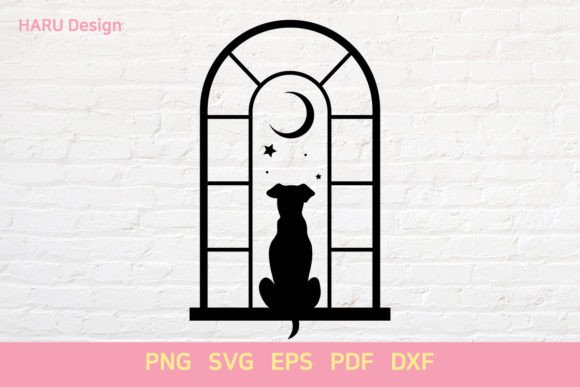
From the moment I opened the Window Dog design files, I was struck by its clean, minimalist aesthetic. The artwork feels like a modern take on a classic motif, blending simplicity with subtle charm. The composition is balanced, with a central window frame and a playful dog silhouette that adds character without overwhelming the design. It’s immediately clear that this is a design meant for projects where clarity and visual appeal matter.
The theme suggests a whimsical, homey vibe—perfect for baby items, holiday gifts, or personalized accessories. The layout is straightforward, making it easy to adapt for different sizes and applications. Whether you're working on a tote bag, a sweatshirt, or a patch, Window Dog has the potential to stand out as a unique and appealing embroidery project.
Real-Life Use Case: Custom Tote Bag Project
I imagine using Window Dog on a custom tote bag for a small shop or Etsy listing. The design would look great on a light-colored fabric, where the details are visible and the colors pop. For a handmade product, the design offers a professional finish without being too intricate, which is ideal for customers who want something stylish but not overly complicated.
When considering how this would translate to an actual embroidered tote, I think about the stitch density and how the design would hold up on a larger surface. The lines are clean, which should make for a smooth stitching experience, especially if using satin stitch for the outlines and fill stitches for the background.
Performance in Different Embroidery Situations
Window Dog works well in most standard embroidery scenarios, from custom apparel to baby clothes. Its simple structure makes it adaptable for different hoop sizes, though I’d recommend testing it on a scrap fabric first to ensure the details remain intact. For a sweatshirt or t-shirt, the design should look good, provided the thread color contrasts well with the fabric.
On textured or stretchy fabrics, however, the design might require extra attention. A stabilizer would be essential to prevent puckering or distortion. If the design is used on a dark fabric, the contrast could be an issue unless the thread color is adjusted accordingly.
For curved surfaces like caps or hats, the design might need slight modifications to fit the shape. Tiny details, such as the dog’s eyes or the window panes, could be challenging if the hoop size is too small. It’s important to check the design’s scalability before committing to a specific project.
Where to Use Window Dog Carefully
While Window Dog is versatile, there are some situations where caution is needed. On thin or stretchy fabrics, the design might not hold up as well, especially if the stitch density is too high. In such cases, adjusting the stitch count or using a lighter fill could help maintain the design’s integrity.
Dense stitch areas could lead to a stiff feel, which might not be ideal for items like baby clothes or pillow covers. Similarly, if the design is used on layered garments or products that require frequent washing, the durability of the embroidery becomes a concern. Testing the design on a sample piece before mass production is always a good idea.
For decorative accents or intricate details, the design may not be the best choice unless the machine and hoop can handle the level of precision required. Small lettering or fine lines could be lost in the stitching process, so it’s worth double-checking the file quality before proceeding.
Impact on Visual Appeal and Customer Perception
Window Dog has the potential to elevate a handmade product or commercial embroidery project. Its clean lines and playful theme make it visually appealing, especially for customers looking for something unique yet approachable. When used correctly, it can add value to a product by making it more attractive and marketable.
For small business owners or Etsy sellers, this design could be a valuable addition to their collection. It’s suitable for personalized gifts, holiday items, or boutique merchandise that needs a touch of personality. The design also supports brand consistency, as it can be used across multiple product types without feeling out of place.
From a customer perspective, Window Dog feels like a safe and reliable choice. It’s not too complex, which reduces the risk of errors during stitching, and it has a friendly, recognizable style that many people would appreciate. This makes it a strong candidate for gift items, as it’s both functional and aesthetically pleasing.
Practical Designer Notes for Using Window Dog
Before jumping into a full project, I recommend testing Window Dog on scrap fabric. This will help you see how the design looks in real life and whether any adjustments are needed. Checking the thread color contrast is also important—especially if the design will be used on dark or light backgrounds.
Reviewing the stitch density is another key step. If the design is too dense, it might cause issues with fabric movement or thread breakage. Confirming the correct hoop size is essential, particularly if you’re working on a larger project or a curved surface.
Inspecting small details like the dog’s features or the window frame is crucial. These elements should be clear and well-defined to ensure the final product meets expectations. Testing the design in black and white mockups can also help you visualize how it will look on different fabrics.
Finally, always check the licensing terms before selling finished items or digital products. Even though the design files are provided, it’s important to confirm that they can be used for commercial purposes without restrictions.