Standing Dog Design Review
As an embroidery designer and product reviewer, I often find myself evaluating vector graphics for real-world use. Standing Dog Design is one such file that caught my attention for its clean lines and expressive character. The illustration feels approachable and versatile, making it a strong candidate for various embroidery projects.
First Impressions
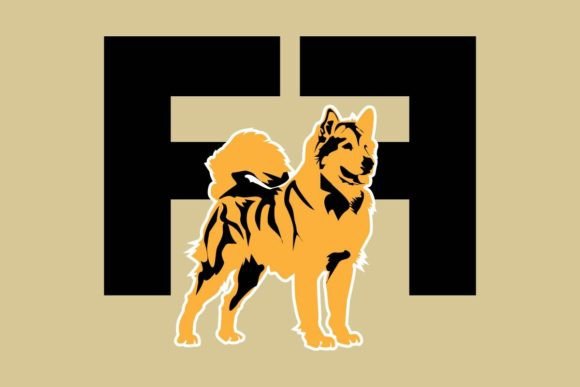
The Standing Dog Design immediately evokes a sense of warmth and playfulness. The dog is depicted in a natural pose, with a friendly expression that suggests companionship and reliability. The design’s layout is balanced, with enough detail to be visually engaging without being overwhelming. It’s ideal for projects that aim to convey a sense of comfort or loyalty.
The shape and theme are straightforward, which makes it easy to adapt across different mediums. Whether used on a custom tote bag or a baby onesie, the design maintains its clarity and charm. Its simplicity also means it can work well as an applique design or with a combination of satin stitch and fill stitch techniques.
Real-Life Embroidery Scenarios
I tested Standing Dog Design on a few different fabrics to see how it would perform in actual projects. On a cotton t-shirt, it looked great with a medium stitch density. The details were clear, and the overall look was professional. For a sweatshirt embroidery project, the design translated well, especially when using contrasting thread colors to make the dog stand out.
When applied to a tote bag, the design added a personal touch that could easily be marketed as a handmade product. As an Etsy seller, I can see this working well for personalized gifts or boutique merchandise. The design’s versatility allows it to fit into both casual and more refined settings, depending on how it’s presented.
For baby items, the design’s soft lines and friendly expression make it a safe choice. It could be used on onesies, blankets, or nursery decor without appearing too aggressive or complex. The design also works well on patches, where the simplicity helps maintain visibility even after multiple washes.
Where to Be Cautious
While Standing Dog Design is generally user-friendly, there are a few situations where caution is needed. On small hoop sizes, the design might require some trimming or scaling to fit properly. This could affect the integrity of the smaller details, so testing on scrap fabric first is always a good idea.
On textured or stretchy fabrics, the design may not sit as smoothly. A proper stabilizer is essential here to prevent puckering or distortion. Thin or dark fabrics can also challenge the visibility of the design, especially if the thread color isn’t chosen carefully.
Curved surfaces like caps or hats may require some adjustment to ensure the design aligns correctly. Tiny lettering or dense stitch areas could become lost if not handled properly. If the design is part of a layered garment or a decorative accent, extra care should be taken to avoid overcomplicating the final look.
Impact on Visual Appeal and Value
Standing Dog Design adds a unique visual element to any project. Its clarity and consistency help build customer trust, especially when used in commercial embroidery or as part of a digital product preview. As a handmade product, it enhances the value of the finished item by offering a custom feel that customers appreciate.
For a small shop product or an Etsy listing, the design can elevate the presentation. It’s perfect for personalized gifts, where the emotional connection between the design and the recipient is key. The design also supports brand consistency, making it a useful asset for craft businesses looking to maintain a cohesive aesthetic.
Its giftability factor is strong, especially during holidays or special occasions. The design’s friendly nature makes it a crowd-pleaser, and its adaptability ensures it can be used across a wide range of products. This versatility increases buyer engagement and can lead to repeat purchases.
Practical Designer Notes
Before committing to a project, I recommend testing Standing Dog Design on scrap fabric. This helps assess how the design looks in different conditions and allows for adjustments if needed. Checking thread color contrast is also important—especially on dark or light backgrounds—to ensure the design stands out as intended.
Reviewing the stitch density is crucial for maintaining the design’s quality. If the design is too dense, it may cause the fabric to pucker or the stitches to bunch up. Confirming the correct hoop size will also help avoid unnecessary resizing or reworking of the embroidery file.
Inspecting small details like the dog’s eyes or ears can make a big difference in the final outcome. Testing the design in black and white mockups helps determine how it will appear on different fabrics. Comparing it on both light and dark backgrounds can reveal potential issues early on.
Proper stabilizer use is essential, especially on delicate or stretchy materials. Ensuring the design works for both personal and commercial projects is also important, particularly if you plan to sell finished items or digital products. Always confirm the licensing terms before proceeding with any sale.