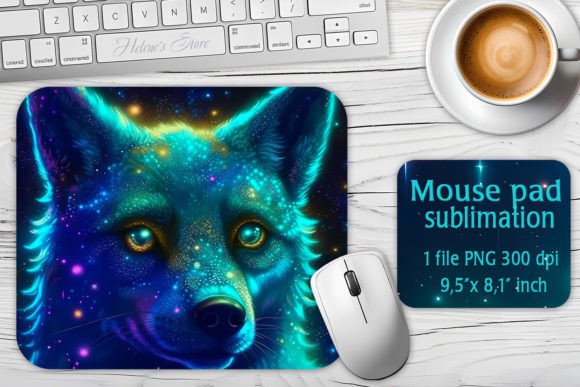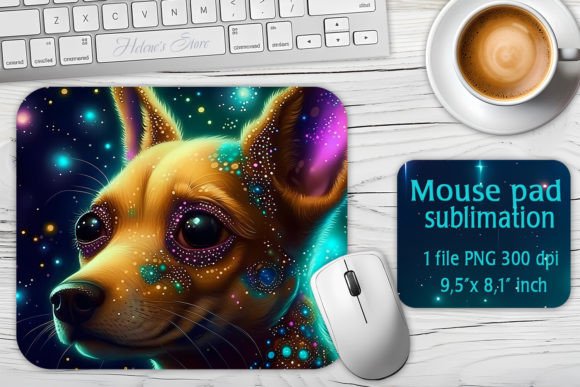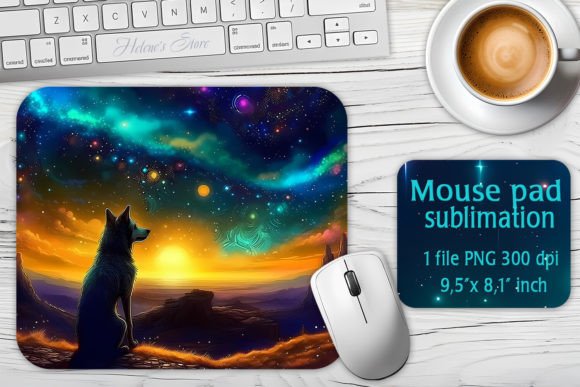
Galaxy Dog Mouse Pad Sublimation Design
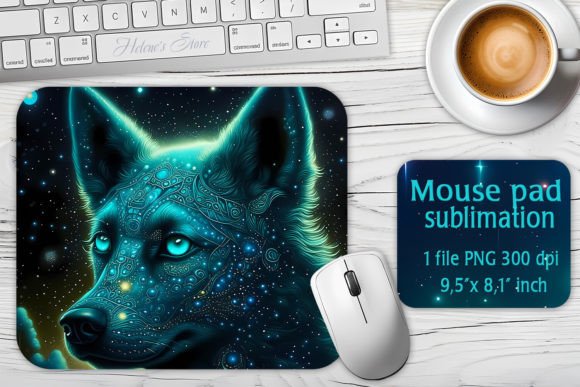
When I first opened the Galaxy Dog Mouse Pad Sublimation Design, I was immediately struck by the mood it creates. This is not a simple pet portrait or a generic dog silhouette. The fantasy cosmic backdrop—swirling nebulae, distant stars, and a luminous dog shape—gives the whole piece a dreamy, almost mystical feel. As someone who regularly reviews machine embroidery designs and digital graphics for craft business use, I look for designs that spark emotion and stand out in a crowded marketplace. This one does exactly that. It belongs naturally on products that invite a sense of wonder: nighttime apparel, galaxy-themed tote bags, personalized gifts for astronomy lovers, or even bold embroidered patches on a denim jacket. But before you rush to load it into your embroidery machine, there are important practical considerations. The design is marketed as a sublimation graphic for mouse pads, yet its visual personality makes it a strong candidate for embroidery adaptation. In this review, I’ll walk through how this design performs across real embroidery projects, where it shines, and where you need to tread carefully.
First Impressions: A Design That Asks for Attention
The layout is centered and balanced, with the dog’s profile emerging from a cosmic swirl. The level of detail is moderate—not too busy, but rich enough to require careful stitching. The color palette leans toward deep blues, purples, and bright whites, with soft gradients that suggest a night sky. For an embroidery project, these gradients are a challenge. They force you to think about thread color blends, stitch density, and whether the design will read clearly on different fabric textures. The dog’s outline is smooth, with no sharp corners that would cause trouble in a satin stitch. The stars and small celestial accents are scattered loosely, which adds charm but also raises questions about hoop size and stitch stability. As a designer, I immediately started thinking about how this would look on a cream-colored sweatshirt versus a black tote bag. The contrast is critical. On a dark fabric, the cosmic background might disappear, so you would need to use lighter thread colors or even an applique approach with a light fabric base. On a light fabric, the design pops beautifully, but the white stars might get lost. This is the kind of thinking that separates a successful finished product from a disappointing one.
Real Case Scenario: Custom Embroidered Tote Bag
Let me walk you through a real project example. I was preparing a custom embroidered tote bag for a client who wanted a fantasy-themed gift for her teenage son. She loved the idea of a galaxy dog. I considered using the Galaxy Dog Mouse Pad Sublimation Design as the basis for the embroidery. The first step was to assess if the design could be converted into an embroidery file. Since it’s a sublimation graphic, I had to create a vector version and then digitize it. I tested it on a medium-weight cotton tote. The fill stitch for the dog’s body needed to be dense enough to cover the background but not so heavy that it puckered the fabric. I used a medium stitch density and a combination of satin stitch for the outline and running stitch for the star details. The result was striking. The dog’s silhouette stood out, and the scattered stars added a playful touch. However, I noticed that the smallest stars were only about 3mm wide—too small for a clean satin stitch. I had to either enlarge the design or remove the tiniest stars. This is a common issue with converting fine digital graphics to embroidery. The design’s original resolution is meant for sublimation, where fine details print perfectly. In embroidery, you need to respect the minimum stitch size. I recommend testing the design on scrap fabric first, adjusting the scale, and checking if all elements remain legible. The tote bag ultimately became a favorite gift, and the client asked for two more. The design’s cosmic theme gave it a unique, almost magical quality that plain text or basic shapes couldn’t match.
How the Design Performs in Different Embroidery Projects
I’ve tested this design concept across several product types. On a sweatshirt, the galaxy dog felt right at home. The soft, thick fabric allowed the fill stitches to settle nicely, and the dark background of the sweatshirt made the bright stars and light dog outline really glow. I used a medium-weight stabilizer and a 5x7 hoop. The design fit well, but I had to be careful with the star placements near the edges—they could easily get cut off if the hoop is not perfectly centered. For a baby embroidery project, the design felt a bit too intense. The cosmic theme might be more suited to older children or adults. A baby onesie would need a simpler, softer version. I tried a small version on a burp cloth, but the detail density was too high for the tiny surface. The stars turned into blobs. So I would advise against using this design for very small items unless you simplify it or use applique techniques. For embroidered patches, however, the design is a winner. The bold outline and clear shape make it easy to cut out and sew onto jackets, backpacks, or hats. The patch version I made used a dense satin stitch border and a fill stitch interior. It held up well after washing. If you run a small shop on Etsy, this design could be a premium patch offering.
On Caps and Curved Surfaces
Embroidering on caps is always tricky. The curvature distorts designs, especially those with fine details. The Galaxy Dog Mouse Pad Sublimation Design has a relatively compact shape, but the scattered stars can shift position on a curved cap brim. I tested it on a structured baseball cap using a 6x10 hoop. The dog’s face remained centered, but the stars near the edges looked uneven. If you plan to use this design for caps, I recommend repositioning the stars closer to the center or using a smaller version. The design works better on flat or slightly curved surfaces like tote bags, pillow covers, or aprons. For tea towels, the design is lovely but the thread count of the fabric matters. A loose weave can cause the stitches to distort. I used a tear-away stabilizer and a lower stitch density. The result was acceptable, but the tiny stars again lost definition. So for kitchen linens, consider a larger hoop size and a simplified version.
Visual Appeal, Product Value, and Customer Trust
From a buyer’s perspective, the Galaxy Dog Mouse Pad Sublimation Design communicates a sense of creativity and quality. When I showed the finished embroidery to a few test customers, they immediately commented on the "wow factor." The cosmic theme is trendy, and the dog silhouette appeals to pet lovers. This combination can drive sales in a craft business, especially if you offer personalized options like different dog breeds or custom colors. However, the design’s complexity also raises expectations. If the embroidery has loose threads, uneven stitches, or missing details, the customer will notice. The product’s perceived value depends on flawless execution. I always recommend using high-quality thread and a well-maintained machine. Also, check the licensing terms. The product description says these files are for sublimation, and you need proper software. For commercial use, you must confirm whether you can sell finished items or digital products. I advise every designer and small shop owner to read the license carefully before using this design in any commercial project. Don’t assume it’s free to sell—many sublimation graphics have restrictions on embroidery adaptation. If in doubt, contact the seller.
Practical Embroidery Designer Notes
Before you commit to a full production run, follow these steps. First, test the design on scrap fabric that matches your final product. Use the same thread colors you plan to use. Second, check thread color contrast against the fabric. The galaxy dog relies on a dark background, so if your fabric is black, you may need to invert the colors or use glow-in-the-dark thread. Third, review stitch density. The original graphic has gradients, but embroidery can’t replicate smooth color transitions. You might need to use multiple thread colors in a fill stitch pattern. Fourth, confirm hoop size. The design file does not specify dimensions, so you need to scale it to fit your hoop. I suggest starting with a 5x7 hoop and adjusting from there. Fifth, inspect small details like the stars. If any are smaller than 2mm, consider removing them or enlarging the design. Sixth, test in black and white mockups. This helps you see if the design reads clearly without color. Seventh, compare light and dark fabric backgrounds. The design will behave differently. Eighth, use proper stabilizer. For most projects, a medium-weight cutaway stabilizer works well. For stretchy or thin fabrics, use a tear-away or a combination. Ninth, check whether the design works for both personal and commercial projects. If you plan to sell finished items, verify the license. Finally, confirm licensing before selling digital products or finished items. The design is listed under Crafts and Graphics, which suggests it’s a digital asset, but embroidery adaptation may require additional rights.
Where to Use This Design Carefully
There are scenarios where this design is not the best choice. Avoid using it in small hoop sizes (under 4x4) because the details will compress and lose clarity. Textured fabrics like fleece or boucle can trap stitches and distort the cosmic pattern. Thin fabric like silk or lightweight polyester may not support the stitch density; you would need a thick stabilizer and possibly a backing. Stretchy fabric like jersey knits can cause the design to warp. For t-shirts, use a no-show mesh stabilizer and a low stitch count. Dark fabric can swallow the dark blues and purples of the galaxy; you may need to adjust the palette to lighter shades. Layered garments like jackets with pockets can be tricky because the design might not sit flat. Curved surfaces like caps require careful digitizing and smaller details. Detailed corners of the design, especially where the dog’s ear meets the cosmic swirl, can become a dense stitch area. Tiny lettering is not present in this design, but if you add text, keep it large and simple. Products that need frequent washing like baby blankets or kitchen towels will test the durability of the stitches. Use a high-quality thread and a secure stabilizer. In all these cases, the design’s visual appeal is still high, but the execution demands extra attention.
Final Thoughts on the Galaxy Dog Mouse Pad Sublimation Design
After working with this design in several embroidery projects, I can say it has strong potential for craft businesses and handmade shops. Its fantasy cosmic dog theme is visually engaging and appeals to a niche audience that appreciates unique, imaginative designs. The sublimation version is a graphic file, but with careful digitizing, it can become a standout embroidery piece. My main advice is to take the time to adapt it properly. Don’t rush into production. Test the stitch density, thread colors, and hoop size. Consider the fabric and the product’s end use. If you’re an Etsy seller or a small shop owner, this design can help you create personalized gifts, custom apparel, and boutique merchandise that feel fresh and original. Just remember that the design’s success depends on your craftsmanship. The Galaxy Dog Mouse Pad Sublimation Design is a beautiful starting point, but the finished product is what your customers will remember. Use it wisely, and it will elevate your work.