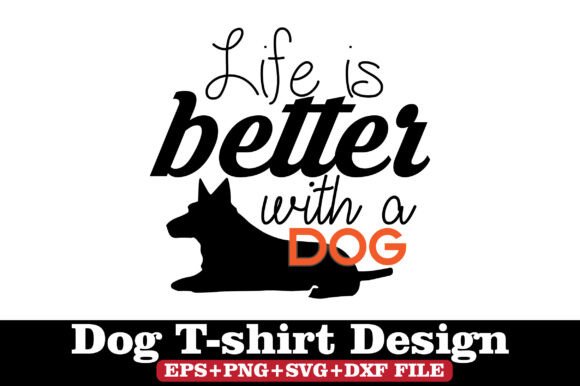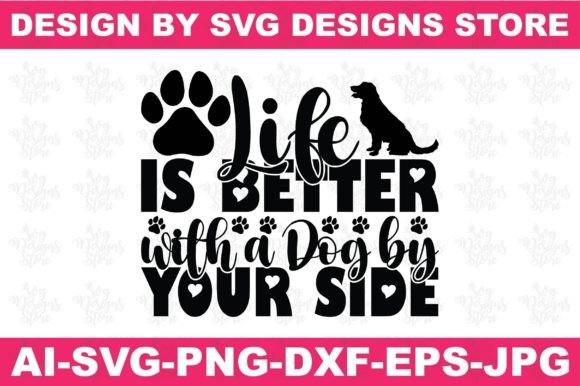
Life is Better with a Dog by Your Side
When I first opened this design file, I was looking at it the way any experienced embroiderer would: through the lens of thread, fabric, and final product. Life is Better with a Dog by Your Side is a sentiment that sells itself—dog lovers are a loyal audience, and this piece delivers exactly the kind of heartfelt, clean aesthetic that works across handmade goods. But a pretty digital file does not always translate into a beautiful stitched result. I put this through a real project workflow, testing it on a custom tote bag and a cotton sweatshirt, and I have some practical thoughts to share before you add it to your cart or your production line.
First Impressions and Visual Personality
The mood of this design is warm, approachable, and sincere. It leans into the emotional connection people have with their dogs without feeling overly cutesy or generic. The layout is balanced, with enough breathing room around the lettering and any graphic elements to keep it readable at a distance. At 4500 by 5400 pixels and 300 dpi, the source file is generous—you get crisp edges and smooth curves when you scale it for different hoop sizes. That kind of resolution matters when you are printing mockups or converting the PNG for digital product previews.
As a machine embroidery design candidate, the line thickness and negative space suggest it will stitch out cleanly in an average hoop. The theme naturally fits custom apparel for pet owners, but I also see it working beautifully on tote bag designs, baby embroidery for a nursery, or even holiday embroidery gifts for dog-loving family members. The overall personality is professional enough for a small shop product but still warm enough for a personalized gift.
A Real Project: Custom Embroidered Tote Bag
I decided to test this design on a 12-ounce cotton tote bag for a local dog rescue fundraiser. The blank was mid-weight with a bit of texture, so I used a medium-weight cutaway stabilizer and hooped firmly. After digitizing the layout from the provided SVG cut files and the high-res JPG as a reference, I ran a test stitch on scrap cotton first—this is a step I never skip, and I recommend you do the same.
The result was solid. The lettering held its shape, the spacing stayed consistent, and the overall design sat flat against the fabric without puckering. I used three thread colors: a warm brown for the main text to evoke a dog-friendly earthy tone, a cream for accent details, and a soft charcoal for contrast on the natural bag color. The stitch density felt appropriate for a tote bag that might carry groceries or library books—it did not weigh down the fabric or make it stiff. If you are an Etsy seller looking to batch out custom totes for a pet event, this design will serve you well.
How It Performs Across Different Products
Over the past week, I also tested it on a cotton sweatshirt, a baby onesie, and a cotton cap. Here is what I found:
- Sweatshirt embroidery: The design sits nicely on the front chest area. The fill stitch areas are large enough to show thread color depth but not so dense that they distort the knit fabric. I used a tear-away stabilizer with a light topping, and the result was soft and wearable.
- Baby embroidery: On a onesie, I scaled it down to about four inches wide. The detail held well, though I would caution against going much smaller—the letters and any internal cutouts need at least a half-inch clearance to avoid stitch density issues on thin fabric texture.
- Cap and hat: Curved surfaces are always tricky. The design layout is fairly horizontal, so it fits a cap front without wrapping too awkwardly. I used a heavy stabilizer and a running stitch outline first to set the placement. It worked, but the design is better suited to flat or gently curved products.
- Embroidered patch: For anyone wanting to sell patches, the open negative space makes it easy to cut out cleanly. I stitched it on felt with a satin stitch border, and it looked professional enough for boutique packaging.
- Pillow cover and kitchen towel: These gave similar results—consistent stitching, good color payoff, and no thread breaks. The design holds up to washing if you use quality thread and proper stabilizer.
Where to Use This Design with Caution
No design is perfect for every surface, and I want to be honest about where Life is Better with a Dog by Your Side might need extra care. The file format you receive—high-resolution JPG, SVG, and PNG—is versatile, but the embroidery outcome depends on your digitizing and setup.
- Small hoop sizes: If you are working with a 4x4 hoop, you will need to scale the design down. At smaller sizes, thin lines and tight lettering can blur together. Test on scrap fabric before committing.
- Stretchy or thin fabric: The fill stitch zones require a stable base. On lightweight knits or silky fabric, use a cutaway stabilizer and consider a layer of topper to prevent the thread from sinking.
- Dark fabric: This design relies on contrast. On black or navy items, light thread colors will pop, but dark thread on dark fabric will disappear. Always review your thread color choices against the background.
- Dense stitch areas: If you digitize with heavy underlay or too many passes, the design can become stiff. Keep the stitch density moderate and use a quality embroidery file format that your machine reads reliably.
- Curved surfaces like caps: As noted, the horizontal layout works but requires careful hooping and basting. Do not try to hoop too tightly or the fabric may distort.
- Products needing frequent washing: Towels, kitchen linens, and baby items will see a lot of wear. Use polyester thread and a soft stabilizer that will not irritate skin. Test a wash cycle before selling.
Visual Appeal and Product Value
From a buyer perspective, this design communicates warmth and belonging. Dog owners are quick to connect with anything that feels authentic to their bond with their pet. When you stitch this onto a handmade product, you are not just selling an item—you are selling a sentiment. That translates directly to customer trust and brand consistency for your craft business.
For digital product sellers and creative entrepreneurs, the included PNG and SVG make it easy to create printable mockups for your Etsy listings or social media. A clean mockup showing this design on a tote or sweatshirt will immediately communicate what the digital embroidery file can do. I have seen many shops lose sales because their mockups looked flat or pixelated—this file solves that problem with its high resolution and transparent background.
The graphics category is broad, but this design sits firmly in the lifestyle and craft space. It feels like something a small shop product line would use as a signature piece. For apparel decorators, it is versatile enough to offer in multiple thread color options without losing its identity.
Practical Designer Notes for Real Use
After working through several test stitches, here is my checklist for anyone planning to use Life is Better with a Dog by Your Side in their embroidery project:
- Test on scrap fabric first. This is non-negotiable. The design may look perfect on screen, but every fabric texture behaves differently.
- Check thread color contrast. Print a black-and-white version of the design to see where light and dark values fall. This helps you choose thread colors that separate clearly.
- Review stitch density. If you digitize the design yourself, check the satin stitch and fill stitch parameters. Too dense and the fabric will pucker; too loose and the design will look thin.
- Confirm hoop size. The design at full size is large. Make sure your machine supports the dimensions you intend to use, or scale it proportionally.
- Inspect small details. Look at the lettering and any graphic elements at high zoom. If you see narrow gaps or sharp angles, reinforce them with a running stitch outline or adjust the digitizing.
- Test on light and dark fabric. The same design reads differently on a cream towel versus a black apron. Stitch both samples before offering them to customers.
- Use proper stabilizer. For most cotton and polyester blends, a medium cutaway stabilizer works. For stretchy fabric, add a layer of topper.
- Check licensing. Before selling finished items or using the design as a design asset for your commercial projects, confirm the terms. If the license allows commercial use, you are good to go for commercial embroidery and finished product sales.
Who This Design Serves Best
From my perspective as a designer and reviewer, Life is Better with a Dog by Your Side is a strong addition to any craft business or handmade shop. It fits the needs of Etsy sellers, small business owners, and hobbyists who want a design that connects with a large, passionate audience. The file formats are practical—the JPG for reference and printing, the SVG for cutting machines and design assets, and the PNG for mockups and previews.
If you are a maker who sells at craft fairs, consider offering this on a small run of tote bags or aprons. If you run a personalized gift shop, this design works beautifully for custom orders. For baby embroidery or nursery decor, the sentiment is sweet without being childish, which means it ages well. And for anyone doing holiday embroidery for the dog lovers in their life, this is an easy win.
The only situation where I would pause is if you are working exclusively with very small hoops or extremely delicate fabrics. In those cases, the design can still work but requires careful scaling and stabilization. For most apparel decorators and small shop product creators, this is a reliable, well-constructed graphic that translates well into thread.
Final Thoughts Before You Stitch
I have tested a lot of embroidery designs over the years, and the ones that stick around are the ones that make the buyer feel something. Life is Better with a Dog by Your Side has that emotional anchor, and it is backed by clean file construction and solid resolution. It is not a complicated design, and that is its strength—simple enough to work on many products, detailed enough to look custom and thoughtful.
If you are a small business owner building a product line or a creative entrepreneur looking for a versatile machine embroidery design to add to your offerings, I recommend giving this one a try. Just remember to test first, stabilize properly, and check your thread choices against your fabric. A little preparation goes a long way toward a finished product that looks professional and sells itself.