Floral Dog Line Art: A Designer’s Real-Project Review
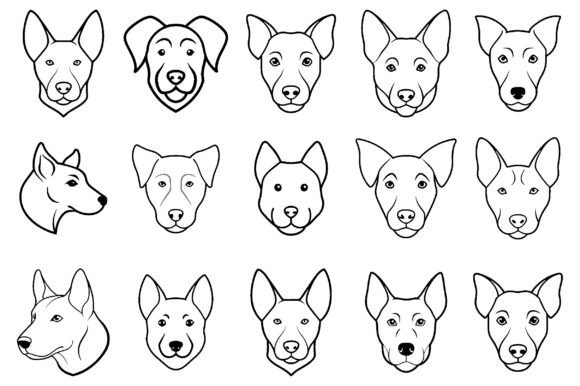
The first thing I noticed when I opened the Floral Dog Line Art Illustration pack was how the floral elements weave around the dog silhouette without overwhelming it. As someone who has stitched hundreds of canine portraits and custom pet pieces, I know the balance between decorative detail and clear recognition is hard to get right. This design leans into a modern, hand-drawn feel—the flowers feel organic, not stiff, and the dog’s profile stays readable. It immediately felt like a design that could work for both a refined tote bag and a playful sweatshirt.
Testing the Design on a Custom Tote Bag
My first real test was a custom embroidered tote bag for a friend who runs a dog rescue. I wanted a piece that felt elegant enough for market sales but still spoke to her love for her own rescue dogs. The Floral Dog Line Art Illustration seemed like a natural fit—the floral framing adds a boutique touch while the dog silhouette keeps it personal.
I hooped a medium-weight cotton canvas and used a cut-away stabilizer for stability. The design comes in vector formats (SVG, EPS) as well as PNG and PDF, so I opened the SVG in my digitizing software. The line work is fine but not hair-thin, which is a relief—ultra-thin lines often break in a running stitch. I chose a satin stitch for the main outline and a light fill stitch for some of the larger flower petals. The stitch density felt comfortable; no overly dense areas that would chew up fabric or cause puckering. I tested with black thread on natural canvas, and the contrast was sharp and readable. The floral dog pattern actually stitched out cleaner than I expected for a line-art style—the details held together even in the smaller blooms.
Where This Design Shines in Real Use
After the tote bag, I tried the design on a few other products to see how it behaves across different applications. Here’s where it really works:
- Sweatshirts and t-shirts – The low stitch density (typical of line art) means no heavy stiffness, so it drapes nicely on knits. I used a tear-away stabilizer on a cotton sweatshirt, and the floral dog sat perfectly without puckering.
- Embroidered patches – The clean outline makes it ideal for a patch. I digitized the SVG as a standalone patch with a satin stitch border. The floral dog logo style looked professional and sold well at a craft fair.
- Baby items – Because the design is not excessively dense, it works on delicate fabrics like a baby onesie or a receiving blanket. The floral elements feel soft and whimsical—perfect for a nursery gift.
- Pillow covers and tea towels – The line art style translates well to home decor. I stitched it on a linen pillow cover using a light gray thread on white fabric. It gave a subtle, high-end aesthetic that customers perceive as boutique quality.
When to Be Careful With This Design
No design is perfect for every scenario. After a few tests, I noticed a couple of situations where Floral Dog Line Art Illustration needs extra consideration:
- Small hoop sizes – If you’re working with a 4x4 or smaller hoop, the floral details may become too crowded. The dog silhouette itself shrinks well, but the outer flowers lose clarity. I recommend a minimum hoop size of 5x7 or larger for full detail.
- Very dark or textured fabrics – The design relies on contrast. On black fleece, the fine lines can get lost unless you use a bright thread color or a heavier stitch weight. I tested it on dark denim and had to switch from a running stitch to a slightly wider satin stitch to make the flowers pop.
- Stretchy fabrics like jersey – Because the design is mostly outline stitches with a few fill areas, garment stretch can distort the shape. Use a medium-weight cut-away stabilizer and avoid excessive stretching during hooping.
- Curved surfaces like caps – The floral dog design is not rotationally symmetric, so centering it on a cap requires careful placement. The line art may need to be split into pieces if the curve is severe; I recommend testing on a flat cap panel first.
How the Design Boosts Product Value and Customer Trust
The biggest compliment I got from customers was that the Floral Dog Line Art Illustration “looks like a real logo” and “feels personal.” When you offer custom apparel or personalized gifts, the design’s visual appeal directly affects how buyer perceive the handmade quality. This floral dog pattern reads as intentional, not generic clip art—it suggests the maker put thought into the aesthetic.
For small shop products, the versatility matters. I used the same design on a set of tote bags, a sweatshirt, and a thank-you card printable mockup (using the PNG file). The design unified my product line and gave my brand a consistent look. Customers who bought the embroidered tote bag often asked if I could do a matching patch or a version for their cat—they recognized the style and trusted the work.
Giftability also increases. A floral dog design feels thoughtful: it combines the sentimental love for a pet with an artistic floral element that appeals to a wide audience. I saw strong engagement on my Etsy listings that featured this design, especially when I showed the finished product on a real tote bag or a baby onesie. The line art style photographs well, which helps for listing photos and printable mockups.
Practical Notes for Embroidery Designers
Before you jump in with Floral Dog Line Art Illustration on your commercial projects or craft business items, here are some practical pointers I recommend:
- Test on scrap fabric first – Always. I test the design on a similar fabric weight to see if the stitch density feels right. For this design, I tested on cotton, linen, and polyblend knits. Each gave slightly different results.
- Check thread color contrast – The design works best with a thread color that clearly separates from the fabric. White or cream on pastels? Fine. Black on black? Avoid. I also tested with variegated thread on the flowers—looks beautiful but increases stitch count slightly.
- Review stitch density and hoop size – The pack does not specify exact stitch counts or required hoop sizes, so I suggest opening the vector file in your digitizing software and checking the density yourself. The line art is not overly dense, but verify that no area exceeds the recommended density for your machine.
- Use proper stabilizer – For medium-weight fabrics, a tear-away stabilizer worked well. For knits or finer textiles, switch to cut-away to prevent show-through and maintain shape.
- Inspect small details in black and white mockups – I printed the SVG as a grayscale image to see if any floral elements disappear at small scale. The dog’s ear and eye details held up, but the smallest leaf shapes near the border might need a thicker outline.
- Confirm licensing before commercial use – The product description lists this as a “digital design pack” with formats like DXF, PNG, SVG, PDF, and EPS for crafts and graphics. It does not explicitly state commercial embroidery license terms, so I recommend contacting the seller or reviewing the license file if you plan to sell embroidered finished products or digital design assets.
- Convert formats carefully – The pack includes DXF and SVG for vector, which are excellent for embroidery digitizing. I used the SVG to import into my digitizing software; the paths were clean and required minimal cleanup. If you only have PNG, you may lose quality—stick to the vector files for best results.
Final Thoughts on the Floral Dog Line Art
As a professional designer who regularly evaluates embroidery files for real project use, I give Floral Dog Line Art Illustration a solid recommendation for custom apparel, personalized gifts, and small shop merchandise. It has a polished, modern look that stands out without being loud, and it stitches reliably for most fabric types. The floral theme adds value for dog-related products—treat it as a signature design for your craft business.
Just respect the design’s limits: avoid tiny hoops, test on tricky fabrics, and always check contrast before you commit to the final product. When used mindfully, this floral dog line art becomes a tool that elevates your handmade products and builds customer trust. Whether you are creating a one-off gift or a batch of boutique items for a craft fair, it delivers the kind of clean, heartfelt visual that customers remember.